
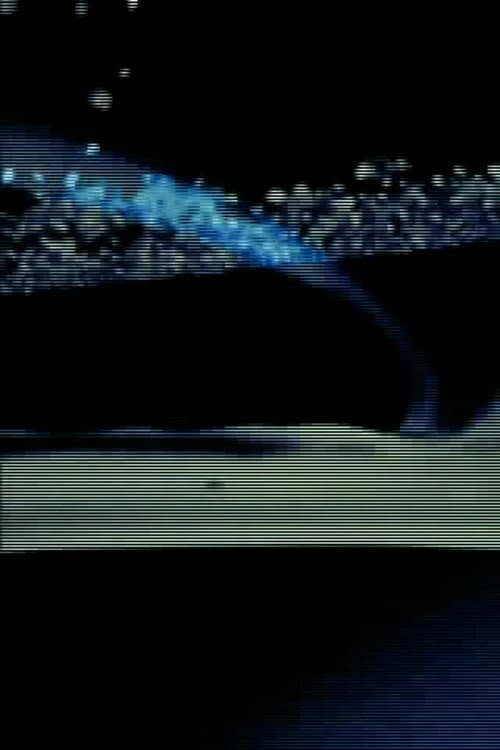
While working at a photo lab, Frampton found that the waste at both ends of the rolls of processed film—where chemicals worked on the emulsion through clips used to attach the film to the machine—produced images far too interesting to be discarded. For Palindrome, Frampton selected images which he described as “tending towards the biomorphic,” resembling abstract surrealist painting. However, the rigid palindromic structure that Frampton imposes on the images—a motorized sequence based on “twelve variations on each of forty congruent phrases”—deviates from the subjective aesthetic of the expressive, demonstrating Frampton’s interest in the “generative power” of films composed by rules and principles.
What critics are saying
Verdicts use the same scale as your list: highly recommended through avoid — plus optional scores and blurbs.
Nobody on Critic, Sir! has logged a verdict for this title yet. The silence is either respectful or suspicious.
Sign in and use Add to My List below to share your own verdict.
Watching Lists
to create and edit public lists.
Loading lists…
Purchase & Discovery
Find this title on Amazon
Digital
Prime Video & digitalAmazon mixes rent, buy, and Prime in one place — one search covers the usual options.
Physical edition
4K Blu-ray & physical releasesSearch on AmazonOfficial merchandise
Official-style merch searchApparel, collectibles, and moreAs an Amazon Associate, Critic, Sir! earns from qualifying purchases. Full disclosure