
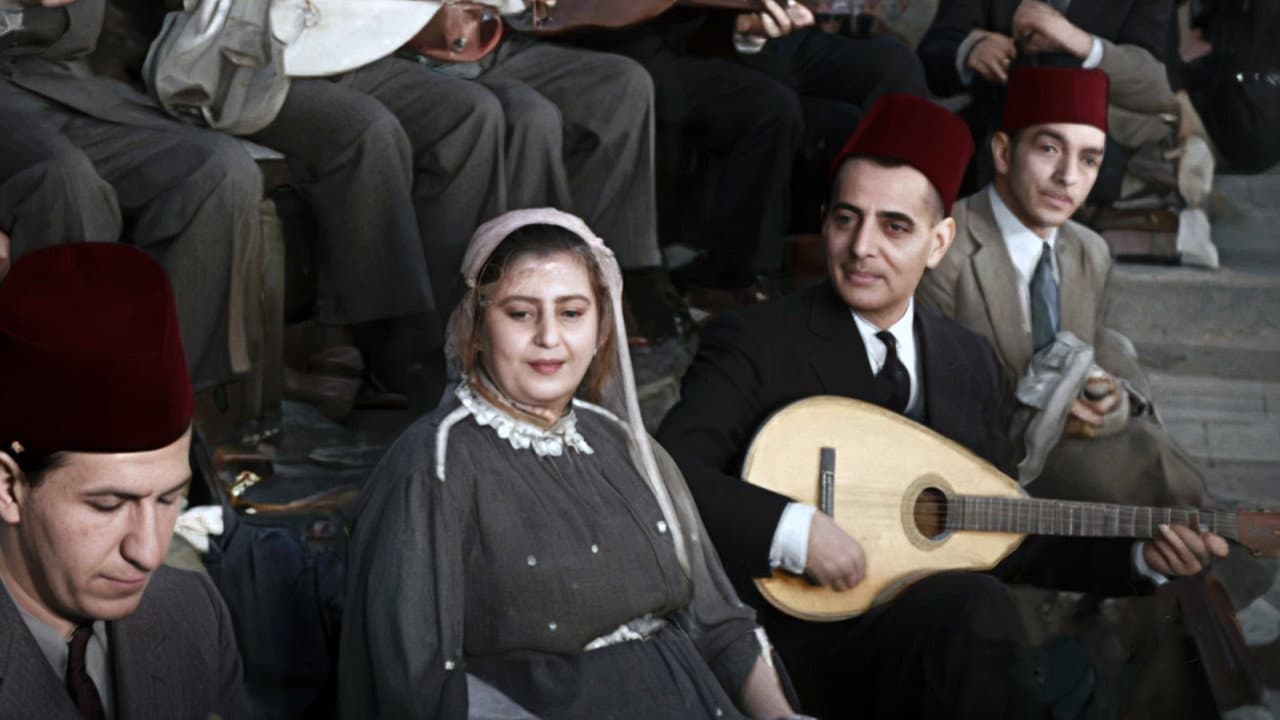

1/4 - In 1925, the young M’hamed El Anka replaced his master Nador at short notice. He realizes that he is far from mastering all the instruments of his art and begins a self-taught training program in Oud, the Arabic language, and religious singing in the hadra of Sidi Abderrahmane. 2/4 - In 1932, the young El Anka released 10 45 rpm records in Paris, including the first song from his composition "L'Exil". He is gradually “lightening” the Andalusian heritage. He made the pilgrimage to Mecca and wrote the famous song "El Mendouza". 3/4 - The 40s and 50s will confirm the maturity of the master, who consolidates the constituent elements of what is today called Chaâbi music. In the midst of the national liberation struggle, El Hadj M'hamed El Anka triumphs with the song "Youm El Djemâa". 4/4 - In 1962, El Anka sang of independence: "El hamdou lilah, mabqach listaâmar fi bledna". Activist, poet and musicologist Bachir Hadj Ali explains the artist’s exceptional style.
Sign in to add to your listWhat critics are saying
Verdicts use the same scale as your list: highly recommended through avoid — plus optional scores and blurbs.
Nobody on Critic, Sir! has logged a verdict for this title yet. The silence is either respectful or suspicious.
Sign in and use Add to My List below to share your own verdict.
Cast




Watching Lists
Sign in to create and edit public lists.
Loading lists…
Purchase & Discovery
Find this title on Amazon
Digital
Prime Video & digitalAmazon mixes rent, buy, and Prime in one place — one search covers the usual options.
Physical edition
4K Blu-ray & physical releasesSearch on AmazonOfficial merchandise
Official-style merch searchApparel, collectibles, and moreAs an Amazon Associate, Critic, Sir! earns from qualifying purchases. Full disclosure