

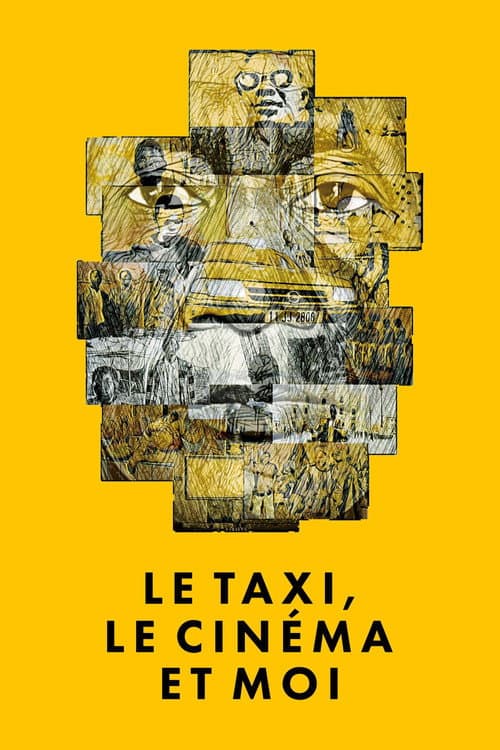
In the first half of the 1990s, Drissa Touré was an auteur fast on the rise, with his first fiction feature, Laada (1991), celebrating its world premiere in a Cannes sidebar, from whence it went around the world, Rotterdam included. Touré's next narrative project, Haramuya (1995), was again welcomed warmly and seen widely. But what happened then? How could an obviously gifted filmmaker from one of world cinema's true hubs, Burkina Faso, not find the means to continue? How did Touré end up riding a motorcycle, doing deliveries and errands? The fact that only a few years after Haramuya's release, Atria, the organisation where Touré deepened his technical knowledge of filmmaking, was closed down as the last francs of support were cancelled suggests that Touré's story is also a symptom of something more structural and grim.
Sign in to add to your listWhat critics are saying
Verdicts use the same scale as your list: highly recommended through avoid — plus optional scores and blurbs.
Nobody on Critic, Sir! has logged a verdict for this title yet. The silence is either respectful or suspicious.
Sign in and use Add to My List below to share your own verdict.
Trailer
Le taxi, le cinéma et moi – trailer | IFFR 2023
Cast

Watching Lists
Sign in to create and edit public lists.
Loading lists…
Purchase & Discovery
Find this title on Amazon
Digital
Prime Video & digitalAmazon mixes rent, buy, and Prime in one place — one search covers the usual options.
Physical edition
4K Blu-ray & physical releasesSearch on AmazonOfficial merchandise
Official-style merch searchApparel, collectibles, and moreAs an Amazon Associate, Critic, Sir! earns from qualifying purchases. Full disclosure